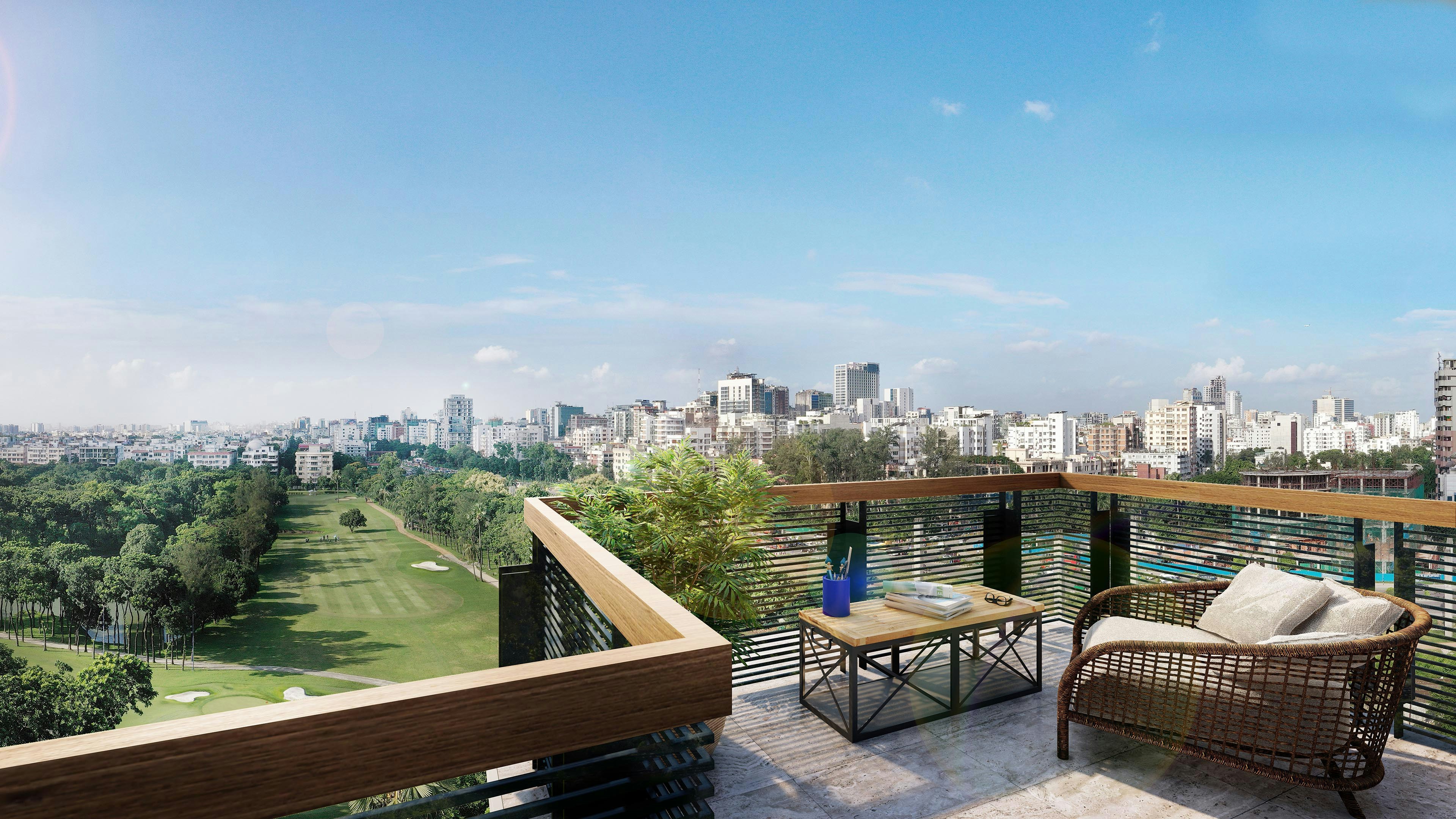
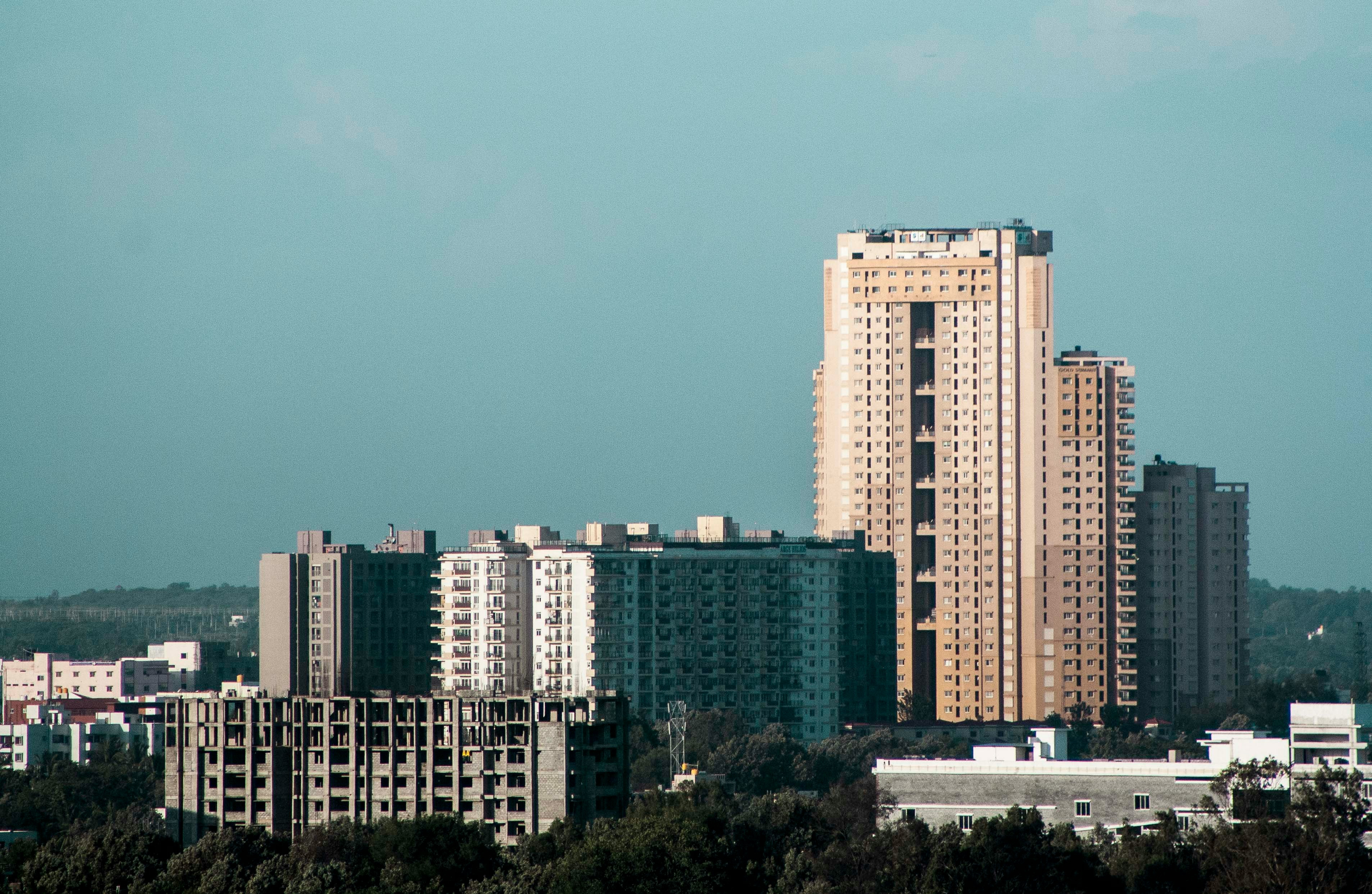
Bangalore's landscape is evolving rapidly, with a distinct shift towards ultra-luxury living that combines sustainability with cutting-edge technology. As High Net Worth Individuals (HNWIs) seek homes that offer more than just square footage, developers are responding with "conscious luxury" — a philosophy that balances opulence with environmental responsibility. The city's real estate market, valued at over ₹1.5 lakh crore, is witnessing a fundamental transformation in what defines premium living.
According to recent data from Knight Frank India, luxury residential sales in Bangalore grew by 38% year-over-year in 2025, with the average ticket size crossing ₹3 crore. This surge isn't just about price points — it reflects a deeper shift in buyer expectations. Today's luxury homebuyer is younger (35-45 years), globally exposed, and unwilling to compromise on sustainability or technology integration.
Sustainability Meets Sophistication
Gone are the days when luxury meant waste. Today's premium properties come with gold-rated green certifications, utilizing solar harvesting, rainwater management, and passive cooling techniques that reduce carbon footprints without compromising on comfort. The Indian Green Building Council (IGBC) reports that Bangalore leads the country in green-certified residential projects, with over 200 projects achieving Platinum or Gold ratings in the past three years alone.
Modern luxury developments now integrate living walls, organic gardens, and natural ventilation systems that create healthier indoor environments while reducing energy consumption by up to 40%. Projects like Embassy Springs and Prestige Golfshire have set benchmarks with features like on-site organic farms, butterfly gardens, and waste-to-energy conversion systems that appeal to the environmentally conscious buyer.
The financial case for sustainable luxury is equally compelling. Green-certified homes in Bangalore command a 12-18% premium over conventional properties, according to JLL Research. More importantly, operational costs — including electricity, water, and maintenance — are 25-35% lower, translating to significant savings over the property's lifecycle. For a ₹5 crore villa, this can mean savings of ₹3-4 lakh annually on utility costs alone.
Sustainability is no longer a marketing buzzword — it's a fundamental expectation of the luxury buyer. Projects that don't integrate green principles are increasingly difficult to sell at premium price points.
The Smart Home Ecosystem
Automation is no longer an add-on; it's the standard. From climate control that learns your preferences to security systems integrated with community management, the digital layer of luxury homes is becoming as important as the physical architecture. The smart home market in India is projected to reach $13.5 billion by 2027, with Bangalore accounting for nearly 22% of adoption.
Voice-activated controls, AI-powered energy management, and integrated home office solutions have become essential features that today's luxury buyers expect as standard. Leading developers are partnering with technology providers like Schneider Electric, Crestron, and Savant to deliver whole-home automation systems that control everything from lighting and climate to entertainment and security through a single interface.
The integration extends beyond individual homes to community-level systems. Smart community platforms enable residents to book amenities, manage visitor access, track deliveries, and even monitor air quality across the campus — all from their smartphones. This creates a seamless living experience that resonates with tech-savvy buyers who are accustomed to digital convenience in every other aspect of their lives.
Perhaps the most significant advancement is in predictive maintenance. IoT sensors embedded throughout the property monitor structural health, plumbing systems, and electrical infrastructure, alerting management to potential issues before they become problems. This proactive approach reduces maintenance costs by up to 30% and virtually eliminates emergency breakdowns that can disrupt luxury living.
North Bangalore: The New Frontier
With the airport expansion and tech parks moving northward, areas like Hebbal and Yelahanka are witnessing a renaissance. These zones offer better connectivity and larger land parcels, allowing for expansive villa communities that city centers simply cannot accommodate. The Kempegowda International Airport's second terminal, combined with the upcoming metro line extension, has created a powerful growth corridor that stretches from Hebbal to Devanahalli.
The upcoming metro connectivity and improved road infrastructure are set to transform these suburbs into the most sought-after addresses in Bangalore over the next five years. Property values along the Bellary Road corridor have appreciated by 65-80% over the past decade, and analysts project continued growth of 10-12% annually as infrastructure projects reach completion.
What makes North Bangalore particularly attractive for luxury development is the availability of large, contiguous land parcels — a rarity in the congested southern and eastern corridors. This allows developers to create expansive communities with generous plot sizes, mature landscaping, and world-class amenities that would be impossible to replicate in the city center. Projects like Total Environment's "In That Quiet Earth" and Embassy's lake-facing villas offer plot sizes of 4,000-12,000 sq. ft., a scale unheard of in areas like Koramangala or Indiranagar.
The Wellness Dimension
Post-pandemic, wellness has become a non-negotiable in luxury real estate. Premium developments now feature dedicated wellness floors with yoga studios, meditation rooms, and spa facilities. Some projects have gone further, integrating Ayurvedic treatment centers, hydrotherapy pools, and even on-site nutritionists as part of the community lifestyle offering.
Air quality management has emerged as a major differentiator. Luxury projects are installing centralized air purification systems with HEPA and activated carbon filters that maintain PM2.5 levels below 15 μg/m³ — well within WHO safe limits — regardless of outdoor pollution levels. In a city where air quality regularly deteriorates during winter months, this feature alone justifies significant price premiums.
The emphasis on biophilic design — integrating natural elements into the built environment — is reshaping architectural approaches. Floor-to-ceiling windows that maximize natural light, indoor water features, courtyards that bring the outdoors in, and materials that evoke natural textures are all standard in premium projects. Research consistently shows that biophilic design reduces stress, improves cognitive function, and enhances overall wellbeing — benefits that luxury buyers increasingly prioritize.
Investment Outlook
For investors, Bangalore's luxury segment offers compelling returns. Data from our analysis shows that ultra-luxury properties (₹5 crore+) in prime North Bangalore locations have delivered average returns of 14-16% CAGR over the past five years, outperforming both the broader residential market and most financial asset classes. The rental yield for furnished luxury villas ranges from 3-4%, with strong demand from senior executives of multinational corporations.
The limited supply pipeline further supports price appreciation. Regulatory complexities, land acquisition challenges, and the time required to develop world-class luxury communities mean that new supply enters the market slowly. With demand consistently outstripping supply in the ₹5-15 crore segment, well-located luxury properties are likely to see sustained appreciation in the medium to long term.