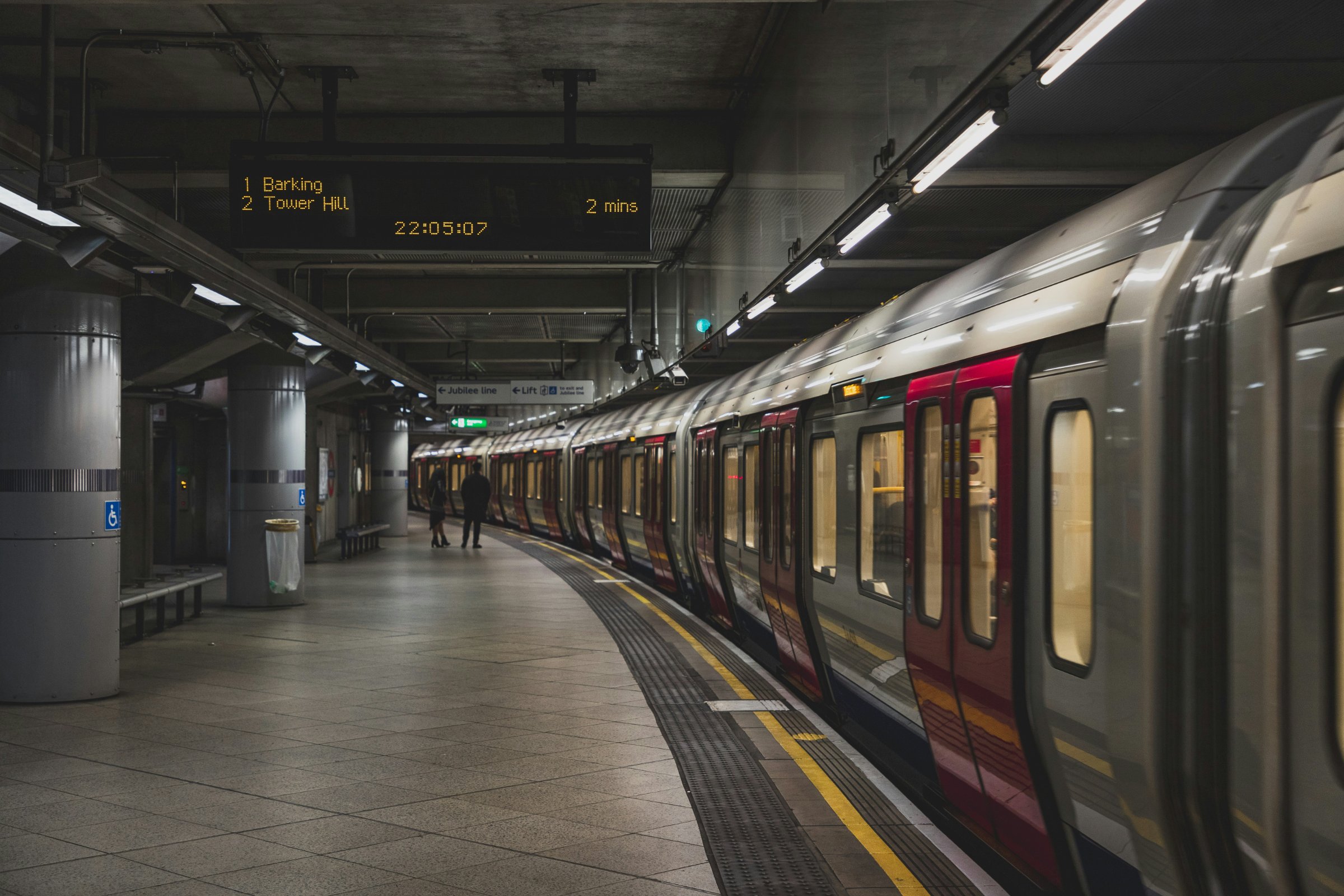
Bangalore's metro expansion is the single most impactful infrastructure project in the city's history, fundamentally reshaping property values, commute patterns, and urban development trajectories. With Phase 1 operational, Phase 2 under construction, and Phase 3 being planned, the metro network will eventually cover over 300 km across the Bangalore Metropolitan Region. Properties near metro stations are seeing disproportionate appreciation, creating clear and investable patterns for those who understand the dynamics.
The evidence from global cities is unequivocal: metro connectivity creates permanent, measurable value premiums in real estate. Studies from London, Tokyo, Singapore, and Delhi consistently show 15-30% price premiums for properties within walking distance of metro stations. Bangalore's experience, while still in early stages, is following the same pattern — and for investors, the opportunity window remains open along the upcoming Phase 2 and 3 corridors.
The Metro Premium
Properties within 500 meters of metro stations command 15-25% premium over comparable properties. This premium has held steady even in otherwise flat markets, indicating genuine demand-driven value rather than speculative inflation. Our analysis of over 2,000 transactions within 1 km of operational metro stations shows that the premium is strongest for mid-segment properties (₹50 lakh to ₹1.5 crore) and somewhat muted for ultra-luxury properties where buyers are less dependent on public transportation.
The premium varies by station type and surrounding land use. Interchange stations (where two lines cross) command the highest premiums — 20-30% — because they offer connectivity to multiple corridors. Terminal stations show lower premiums (10-15%) because their connectivity advantage is limited. Stations near commercial clusters (Peenya, MG Road, Whitefield) see higher residential premiums than stations in purely residential areas, because the employment access benefit is more tangible.
The appreciation pattern follows a predictable timeline. Before the metro line is announced, properties trade at "baseline" values reflecting existing infrastructure. After announcement, a 10-15% "announcement premium" kicks in as investors enter the market. During construction (which typically spans 3-5 years), prices consolidate with modest 5-8% annual appreciation. Upon completion and commencement of operations, a sharp 10-15% jump occurs as end-user demand surges. Post-stabilization, prices follow the broader market trend but with a permanent premium over non-metro-connected areas.
Phase 2 Opportunities
The ongoing Phase 2 expansion through Whitefield, Electronic City, and Airport Road is creating opportunities for investors who understand the timeline and geography. The ORR-Airport line (under construction) will connect Silk Board Junction to KR Puram via ORR — serving Bangalore's densest employment corridor. Properties along this alignment are already pricing in the metro premium, but stations in the early construction phase (expected completion 2027-2028) still offer value.
The Whitefield extension (Byappanahalli to Whitefield) is perhaps the most consequential section for property values. Whitefield, home to ITPL, Prestige Tech Park, and dozens of major IT campuses, has historically suffered from severe connectivity challenges. Metro access will reduce commute times from central Bangalore to Whitefield from 75-90 minutes (by road) to 30-35 minutes, fundamentally changing the area's accessibility proposition. Properties near Whitefield metro stations that are currently priced 15-20% below comparable areas in HSR Layout or Sarjapur Road are likely to close this gap once metro operations begin.
Smart investors are acquiring properties along announced alignments before construction completes. The key is buying at the right stage: post-announcement (when the route is confirmed) but pre-construction (when the premium is still forming). This requires patience — you might hold the property for 4-6 years before realizing the full metro premium — but the returns typically justify the wait.
Commercial Impact
Retail and commercial properties near metro stations see 20-30% higher footfall, translating directly to higher rents and lower vacancy rates. Developers are designing transit-oriented developments (TOD) with integrated station access — mixed-use buildings where residents, office workers, and shoppers all benefit from seamless metro connectivity. The TOD concept, widely successful in Hong Kong, Tokyo, and Singapore, is now being adapted for Bangalore's context.
The commercial premium is even more pronounced than the residential premium in some cases. Grade A office buildings within 500m of metro stations command rents of ₹85-100/sq. ft./month, compared to ₹65-75/sq. ft. for comparable buildings 2 km away. The tenant rationale is clear: metro access improves employee satisfaction, reduces commute-related attrition, and enables companies to recruit from a wider geographic catchment. For commercial property investors, metro proximity is becoming as important as building specifications.
Retail dynamics around metro stations follow specific patterns. The ground-floor retail premium is 30-50% higher near metro stations, driven by pedestrian footfall. Food and beverage, daily convenience retail, and service businesses (salons, dry cleaning, pharmacies) perform particularly well in metro-adjacent locations. Large-format retail is less impacted — shopping mall success depends more on anchor tenant mix and parking availability than metro proximity.
Timing Your Investment
Maximum appreciation typically occurs between announcement and completion of metro lines. Once operational, prices stabilize as the premium becomes "baked in." The key is identifying the sweet spot for entry — after enough certainty exists that the project will be completed (look for active construction, land acquisition completion, and government funding commitment) but before the majority of the price appreciation has occurred.
Historical data from Phase 1 provides a useful template. Properties near Majestic, MG Road, and Trinity metro stations saw 60-80% appreciation from announcement to stabilization (over approximately 8 years). However, the appreciation was non-linear: 20-25% in the first two years (announcement effect), 15-20% during the 4-year construction period, and 20-30% in the year immediately following operational commencement. Understanding this pattern helps investors time both entry and exit.
Risks and Considerations
Metro projects in India have a history of delays and cost overruns. Bangalore's Phase 1, originally planned for completion by 2011, was finally operational by 2017. Phase 2 timelines have similarly slipped. While delays don't eliminate the eventual value creation, they extend the holding period and reduce annualized returns. Budget for a holding period 2-3 years longer than the official timeline suggests.
Properties immediately adjacent to metro stations and tracks may face negative externalities: construction noise during the building phase (which can last 3-4 years at any specific location), vibration from passing trains, visual obstruction from elevated corridors, and increased noise levels during operations. The sweet spot is typically 200-500 meters from the station — close enough for convenient walking access but far enough to avoid direct nuisances.
Not all metro lines create equal value. Lines serving major employment hubs (IT corridors, industrial areas, business districts) generate stronger residential premiums than lines connecting purely residential suburbs. Before investing, analyze the specific line's route and the employment centers it connects — the strength of the employment access improvement directly correlates with the property value premium.