The eternal debate between villa and apartment living continues to evolve as lifestyle preferences shift and investment dynamics change. With Bangalore's real estate market offering compelling options in both categories, making the right choice requires a nuanced understanding of lifestyle needs, financial implications, and long-term market trends. This comprehensive analysis examines every dimension of the villa-versus-apartment decision to help you make an informed choice.
The pandemic fundamentally altered the way Indians think about their homes. A 2025 survey by Anarock Research found that 62% of Bangalore homebuyers now prioritize space and privacy over location convenience — a complete reversal from pre-pandemic preferences. This shift has reinvigorated the villa market, but apartments have also evolved to meet changing demands. The choice is no longer straightforward.
Lifestyle Considerations
Villas offer unmatched privacy, personal gardens, and the freedom to customize. They're ideal for families with children, pet owners, and those who value outdoor entertaining spaces. The psychological benefit of having your own compound — with no shared walls, no upstairs neighbors, and no common area disputes — is significant and shouldn't be underestimated. Villa living provides a sense of independence and ownership that apartments simply cannot replicate.
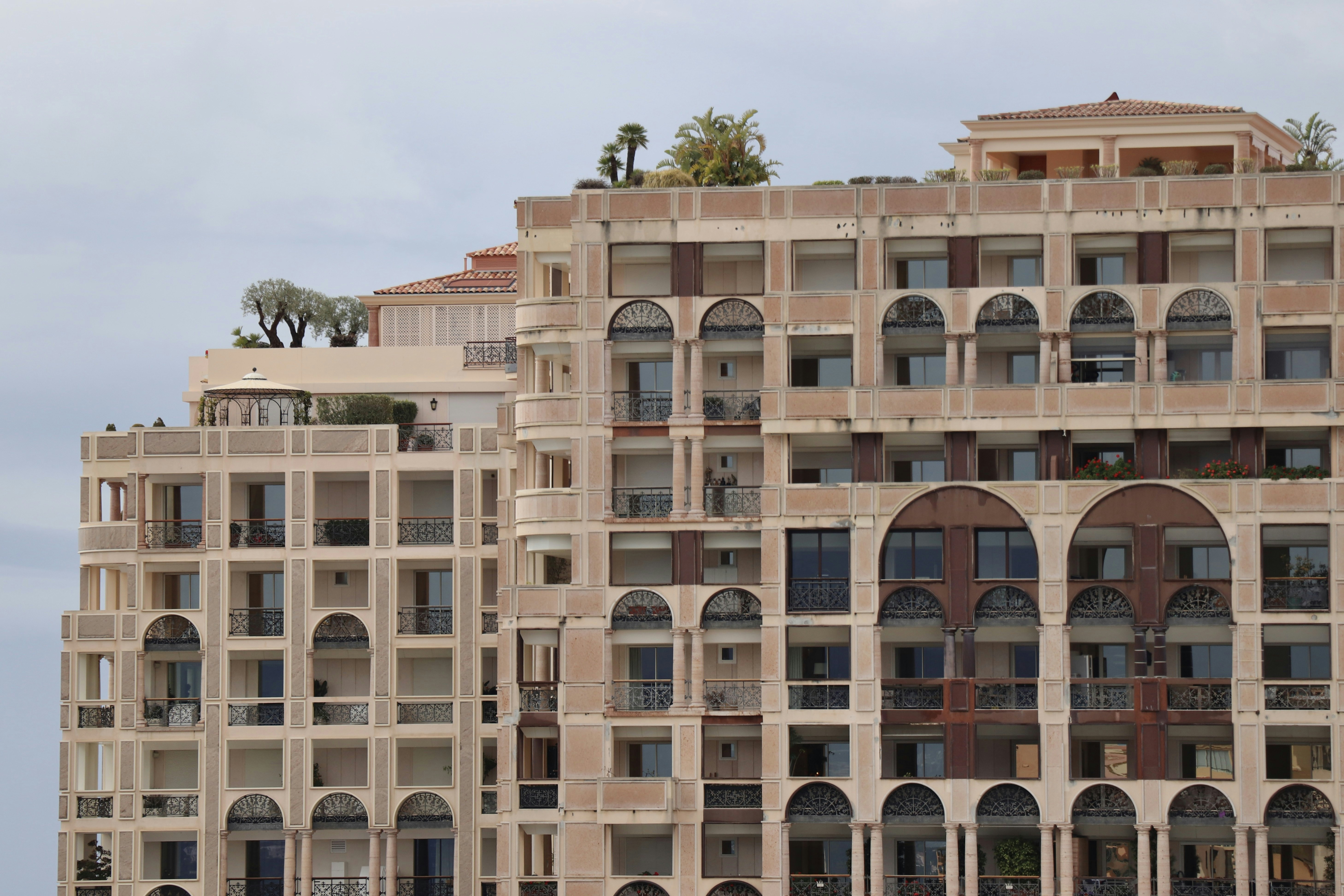
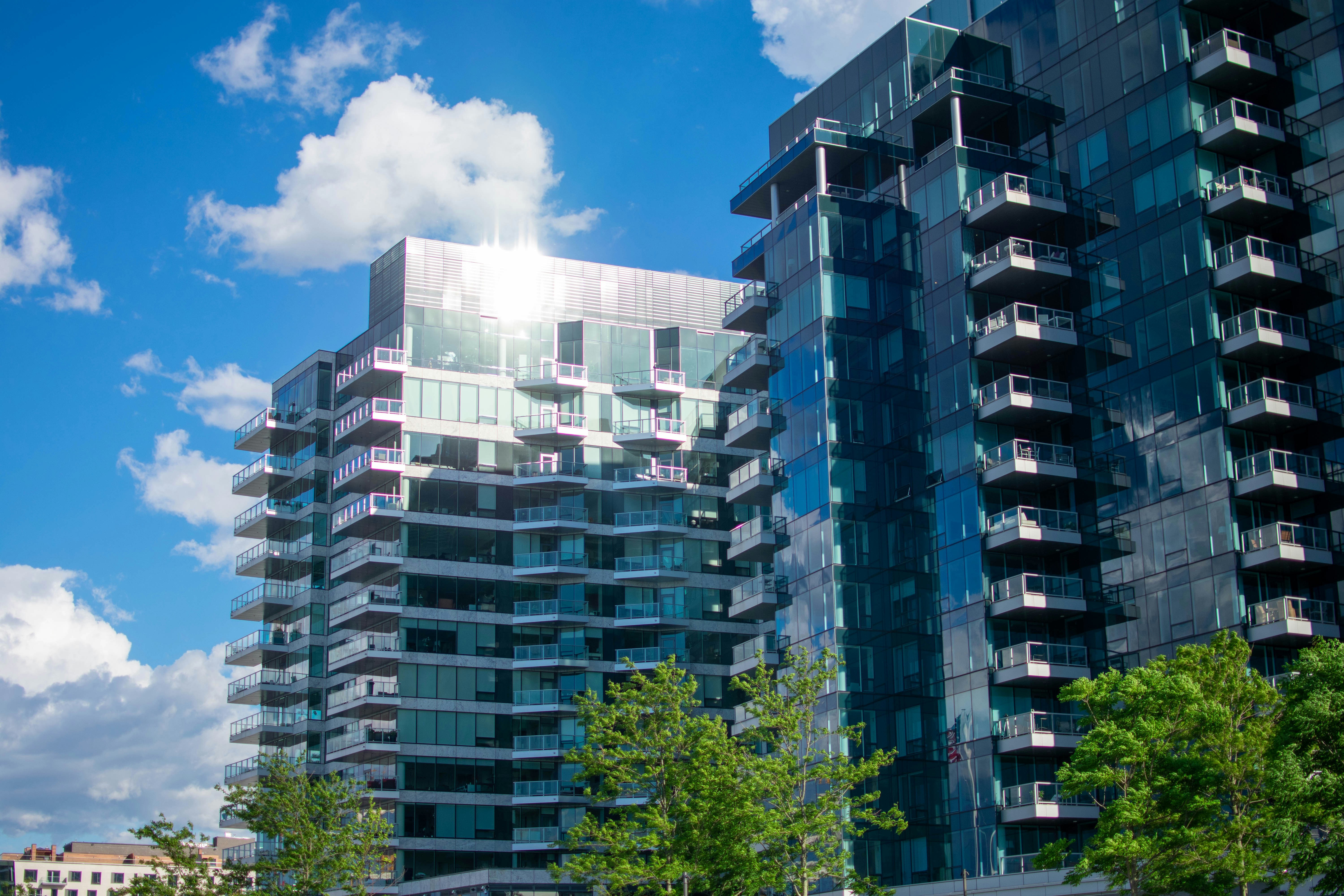
Apartments, particularly in gated communities, provide enhanced security, social amenities like clubs and pools, and lower maintenance overhead. They suit working professionals and those who travel frequently. Modern luxury apartments in developments like Prestige Kingfisher Towers or Total Environment's projects offer amenities — infinity pools, concierge services, smart home systems — that would cost ₹2-3 crore to replicate in a standalone villa. The convenience of having everything managed by a professional association is a genuine lifestyle advantage.
The social dimension matters more than many buyers initially realize. Villa communities tend to have smaller, more tight-knit social circles. Apartment complexes with 200-500 units offer richer social opportunities — clubs, events, playgroups for children, and festive celebrations. For families relocating to Bangalore from other cities, the ready-made social infrastructure of a large apartment complex can significantly ease the transition.
Work-from-home has created new requirements that favor villas. Dedicated home offices, separate entry for domestic help, private outdoor spaces for breaks, and distance from neighbors' noise are practical advantages that villa living offers. Many premium villas now come with dedicated studio apartments or separate office pavilions — a feature that barely existed five years ago but has become a key selling point.
Investment Perspective
Land appreciation drives villa value, making them excellent long-term investments. The undivided share (UDS) of land that comes with a villa appreciates independently of the structure. Over a 15-20 year horizon, the land component can appreciate 8-12x while the structure actually depreciates. This makes villas compelling for generational wealth building — the land becomes more valuable even as the building ages.
However, the initial capital requirement is significantly higher, and liquidity can be challenging. A decent villa in Bangalore starts at ₹2.5-3 crore, while comparable apartment living can be achieved at ₹1.5-2 crore. This higher entry barrier means a smaller buyer pool when you want to sell, and transaction times for villas average 6-12 months compared to 3-6 months for apartments. If you might need to liquidate quickly, this is a real concern.
Apartments offer better rental yields in the short term and are easier to exit. Premium apartments in established locations can see steady appreciation of 5-8% annually. Rental yields for well-located apartments (near IT parks, in established areas) range from 2.5-3.5%, compared to 1.5-2.5% for villas. The higher yield, combined with lower management hassle, makes apartments more attractive for pure investment purposes.
Market data reveals interesting patterns. In the last five years, villas in North Bangalore have appreciated by 45-60%, outperforming apartments in the same area (30-40% appreciation). However, when you factor in rental income, transaction costs, and maintenance differentials, the total return is remarkably similar. The choice between villa and apartment as an investment often comes down to your investment horizon and liquidity preferences rather than absolute returns.
Maintenance and Running Costs
Villa maintenance including gardens, external repairs, swimming pool upkeep, and security can be 2-3x higher than apartment maintenance fees. A typical 3,000 sq. ft. villa in a gated community incurs ₹15,000-25,000 monthly in maintenance charges, while a comparable apartment might cost ₹8,000-12,000. Add to this the cost of a personal gardener, pest control, and exterior painting every 3-4 years, and the running cost differential becomes substantial.
However, villa owners have complete control over their spending. You can choose to maintain a simple garden or an elaborate landscape, install a basic security system or a comprehensive one. Apartment owners, on the other hand, pay a fixed maintenance charge regardless of their use of amenities. If you rarely use the swimming pool, gym, or clubhouse, you're essentially subsidizing those who do.
Energy costs also differ significantly. Villas typically have larger surface areas exposed to sunlight and weather, leading to higher cooling costs. However, they also offer more potential for solar panel installation — a 5-10kW rooftop solar system can offset 70-90% of electricity costs, with payback periods of 4-5 years. Apartments, while more energy-efficient per square foot, have limited scope for renewable energy installation.
Location and Accessibility
One of the fundamental trade-offs in the villa-versus-apartment decision is location. Villas, due to their larger land requirements, tend to be located on the city's periphery — areas like Sarjapur, Whitefield outskirts, Devanahalli, and Kanakapura Road. Apartments, being vertically stacked, are available in central and well-connected locations like Koramangala, Indiranagar, and Hebbal.
The location trade-off translates directly into commute times. A family living in a peripheral villa community might spend 45-60 minutes commuting to the city center, compared to 15-20 minutes from a centrally located apartment. Over a year, this adds up to hundreds of hours — time that has real value. However, with the growth of satellite offices and the permanence of hybrid work, this consideration is becoming less decisive than it once was.
Future Resale and Exit Strategy
Think about your exit before you enter. Villas in well-managed, branded gated communities (Total Environment, Prestige, Embassy) hold their value and appreciate consistently. Standalone villas on isolated plots face higher risks — neighborhood deterioration, encroachment on surrounding land, and infrastructure neglect can erode value. Always prefer villa communities with strong developer track records and active resident associations.
For apartments, the building's age significantly impacts resale value. A 15-year-old apartment, regardless of its original quality, faces depreciation pressures that a villa's land component doesn't experience. Apartments in buildings older than 20 years can be particularly difficult to sell or rent at market rates. The "useful life" of an apartment building is generally considered to be 40-50 years, after which redevelopment becomes necessary — a complex and often contentious process.